
AI-Powered Video Editing Tools Revolutionize Content Creation
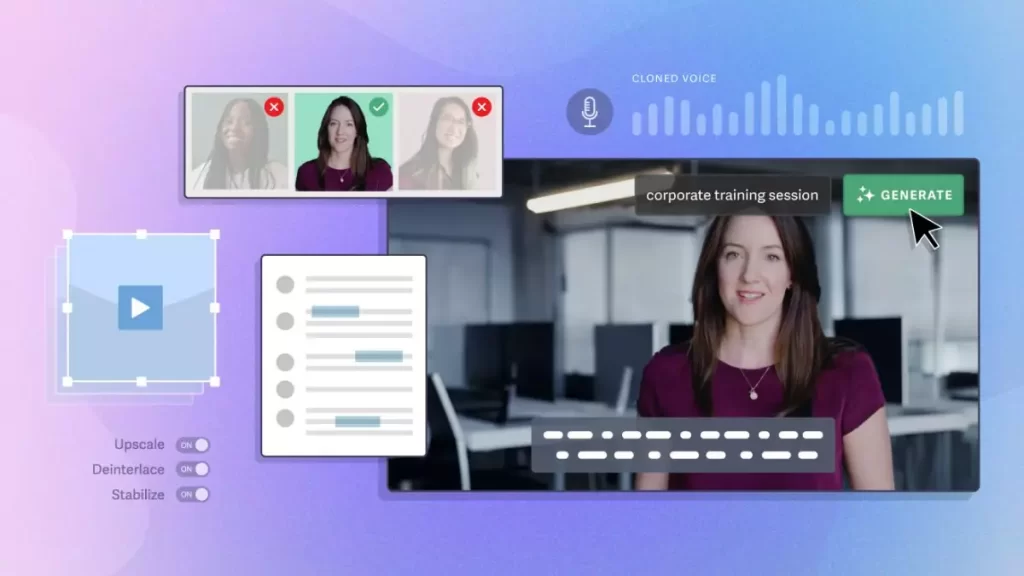
Video production has traditionally required extensive manual editing, professional-grade software, and significant time investment. However, in November 2023, AI-powered video editing tools reached a new level of sophistication, enabling creators to automate complex edits, generate high-quality visuals, and enhance storytelling with minimal effort.
The release of Runway’s Gen-2 and OpenAI’s Sora prototypes, along with advancements in AI-driven video synthesis, allowed users to generate and manipulate videos using simple text prompts. These tools weren’t just assisting editors—they were reshaping the entire creative workflow, making professional-level video production accessible to a broader audience.
How AI Video Editing Tools Were Transforming Content Creation
Traditional video editing involved manually cutting, color grading, and adjusting clips, which required both technical skill and long hours of work. AI-powered tools introduced a paradigm shift by automating many of these tasks, including:
- AI-driven scene generation – Users could describe a scene in text, and AI would generate high-resolution footage, filling gaps in video production without needing a camera.
- Smart object removal and background replacement – AI could seamlessly erase objects, swap backgrounds, and enhance footage, reducing post-production workload.
- Automated video pacing and storytelling enhancements – AI-assisted tools analyzed content and suggested optimal cuts, transitions, and pacing adjustments to enhance engagement.
These improvements enabled content creators, filmmakers, and marketers to streamline their workflows and push creative boundaries like never before.
Industries Rapidly Integrating AI Video Editing Tools
The ability to automate and enhance video production led to the rapid adoption of AI-powered editing tools across multiple industries.
1. AI in Social Media and Influencer Content
- AI-assisted video tools allowed creators to automatically generate captions, enhance visuals, and optimize videos for different platforms.
- AI-powered motion tracking enabled influencers to seamlessly integrate digital effects and interactive overlays.
2. AI in Advertising and Marketing
- Brands leveraged AI-generated video content to personalize ads at scale, tailoring visuals and messaging to different audiences.
- AI-assisted voiceover and dubbing tools made it easier to localize content for international markets.
3. AI in Filmmaking and Visual Effects (VFX)
- AI-powered tools reduced production costs by automatically generating missing frames, enhancing CGI, and improving color grading.
- Directors used AI-assisted pre-visualization tools to map out scenes and plan cinematic sequences more efficiently.
These applications signaled a fundamental shift in how video content was produced, edited, and distributed.
Challenges and Considerations in AI-Driven Video Editing
Despite its potential, AI-powered video editing introduced unique challenges that creators and businesses had to navigate.
1. Authenticity and Deepfake Risks
- The ability to generate realistic AI-powered footage raised concerns about misinformation and synthetic content.
- Regulatory discussions were emerging around AI watermarks and content verification tools.
2. Ethical Concerns in AI-Assisted Creativity
- Filmmakers and video editors debated whether AI-generated content was diminishing human creativity or enhancing artistic possibilities.
- Ethical AI frameworks were needed to ensure AI-generated content remained responsibly used.
3. Copyright and Ownership Issues
- AI-generated video raised questions about who owned the final content—the creator, the AI tool provider, or the model trainers.
- Content creators demanded clearer guidelines on AI-assisted media licensing and attribution.
Addressing these challenges was essential in ensuring AI-powered video tools were used ethically and effectively.
What’s Next for AI in Video Production?
With AI-driven video tools advancing rapidly, the next wave of innovation was expected to include:
- Fully AI-generated feature-length films – AI would soon be capable of producing entire movies using AI-driven scripts, visuals, and voiceovers.
- Real-time AI-assisted video editing – Live content production could leverage AI for instant editing, real-time effect generation, and adaptive camera framing.
- Personalized AI-generated media experiences – Viewers might soon have the ability to customize movie plots or advertising narratives through AI-generated variations.
These advancements positioned AI-powered video editing as one of the most disruptive technologies in modern content creation.
A Defining Moment for AI in Video Production
The rise of Runway’s Gen-2, OpenAI’s Sora, and other AI-driven video editing tools in November 2023 marked a significant shift in how video content was created and consumed. No longer just a tool for minor enhancements, AI was now a core component of video production, capable of generating full scenes, enhancing cinematography, and automating storytelling.
However, as AI-generated video content became more prevalent, businesses and creators needed to establish ethical standards, maintain creative integrity, and ensure transparency in AI-assisted media.