AI Image Generation Becomes More Accessible with Stable Diffusion
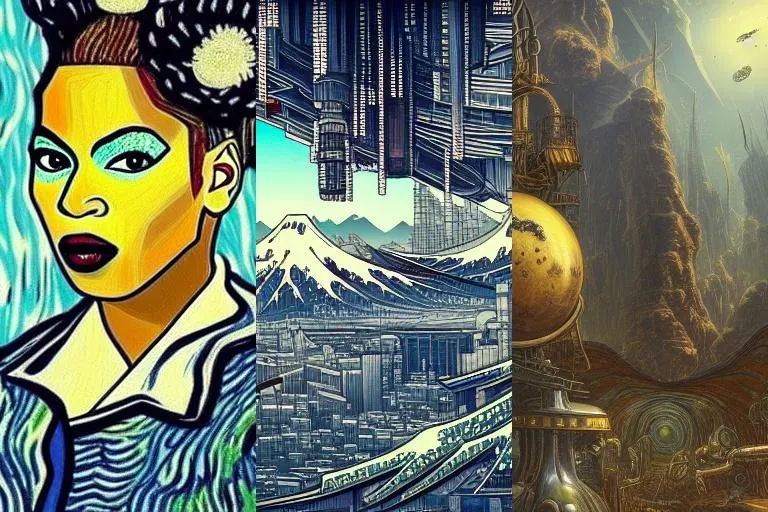
A year ago, creating high-quality digital art required either years of practice or access to expensive software and professional design skills. That paradigm began to shift in mid-2022, but by November 2022, AI-generated images had become mainstream, thanks to the rapid rise of Stable Diffusion and its open-source accessibility.
Unlike earlier AI tools that were locked behind corporate paywalls, Stable Diffusion allowed anyone to generate stunning, photorealistic, or artistic visuals using a simple text prompt. This open-source approach not only democratized AI art but also led to a surge in creative applications, community-driven modifications, and widespread industry adoption.
This shift wasn’t just technological—it was a cultural moment, redefining how businesses, creators, and everyday users interacted with AI-driven creativity.
What Made This AI Tool Stand Out?
Previous AI-powered image generators, like OpenAI’s DALL·E, had already demonstrated the potential of AI-generated visuals. However, most were restricted by licensing agreements, controlled APIs, or limited access.
Stable Diffusion, developed by Stability AI, disrupted this model by:
- Releasing its source code publicly, allowing developers to experiment, modify, and enhance the model.
- Enabling users to run the AI locally, removing dependency on cloud services and making it more accessible for those with capable hardware.
- Generating high-resolution images with detailed compositions, rivaling professional design tools.
This approach led to an explosion of creative applications, from digital art to marketing and even film pre-visualization.
Real-World Uses That Emerged
With Stable Diffusion freely available, businesses and individuals quickly began integrating AI-generated visuals into their workflows.
1. AI-Powered Graphic Design
- Small businesses used AI to generate marketing visuals, reducing the need for outsourced graphic designers.
- Startups experimented with AI-created logos, branding elements, and UI assets, accelerating their design processes.
2. Creative Assistance for Artists
- Concept artists and illustrators used AI as a brainstorming tool, generating reference images to speed up their workflows.
- Independent game developers began creating AI-assisted textures, background art, and character designs, reducing costs.
3. AI in Film and Entertainment
- Directors and production teams used AI-generated imagery for storyboarding and pre-visualization, streamlining creative planning.
- The music industry saw AI-generated album covers and promotional artwork gain traction.
By November 2022, it was clear that AI-generated imagery was not a passing trend—it was a fundamental shift in digital content creation.
Challenges That Surfaced
Despite its rapid adoption, Stable Diffusion and other AI-generated image tools faced controversies and technical challenges that needed addressing.
1. Ethical and Copyright Issues
- Artists raised concerns that AI models were trained on vast datasets without direct consent from original creators.
- Ownership of AI-generated works became a legal gray area—who truly “owned” an AI-generated image?
2. Deepfake and Misinformation Risks
- The ability to create realistic synthetic images raised concerns about misuse in misinformation, propaganda, and fraud.
- Discussions about digital watermarking and AI content identification became critical topics in tech communities.
3. Accessibility vs. Hardware Limitations
- While Stable Diffusion was free to use, high-quality image generation required advanced GPUs, limiting accessibility for some users.
- Cloud-based AI image tools still provided a solution, but they often required subscription models, reducing open access.
These debates ensured that AI-generated imagery remained at the center of ethical and technological discussions well into the following months.
What’s Next for AI Image Generation?
Looking beyond November 2022, the rapid advancements in AI image generation pointed toward even bigger shifts:
- Personalized AI models – Users training AI to generate art in their own unique style, blending human creativity with machine learning.
- AI-generated video and animation – The next evolution, where AI tools move beyond still images to generate full motion sequences.
- Integration with AR/VR – AI-generated visuals being used in augmented reality (AR) and virtual reality (VR) applications for more immersive experiences.
With the momentum behind Stable Diffusion and open-source AI tools, the future of creative AI was just getting started.
A Defining Moment for AI in Creativity
The rise of Stable Diffusion in November 2022 marked a turning point in AI-driven content creation. By making powerful image-generation tools free and accessible, it shifted control from corporate entities to developers, artists, and everyday users.
However, as AI-generated imagery continued to gain traction, so did discussions about its ethical, legal, and creative implications. The challenge ahead would be balancing innovation with responsible usage, ensuring AI tools empower rather than replace human creativity.